Reportage · theme
Policing
24 frames · 1 stories
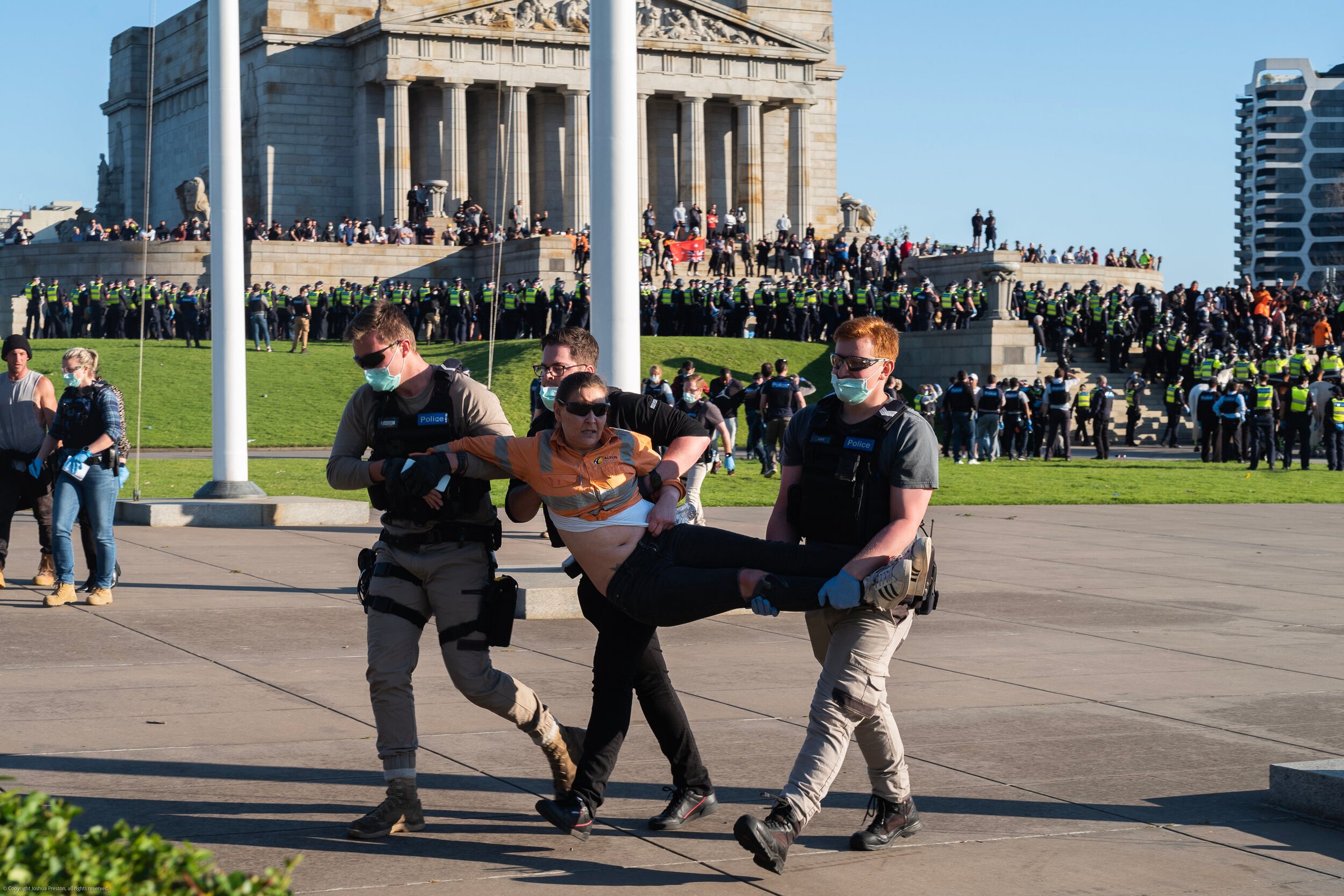
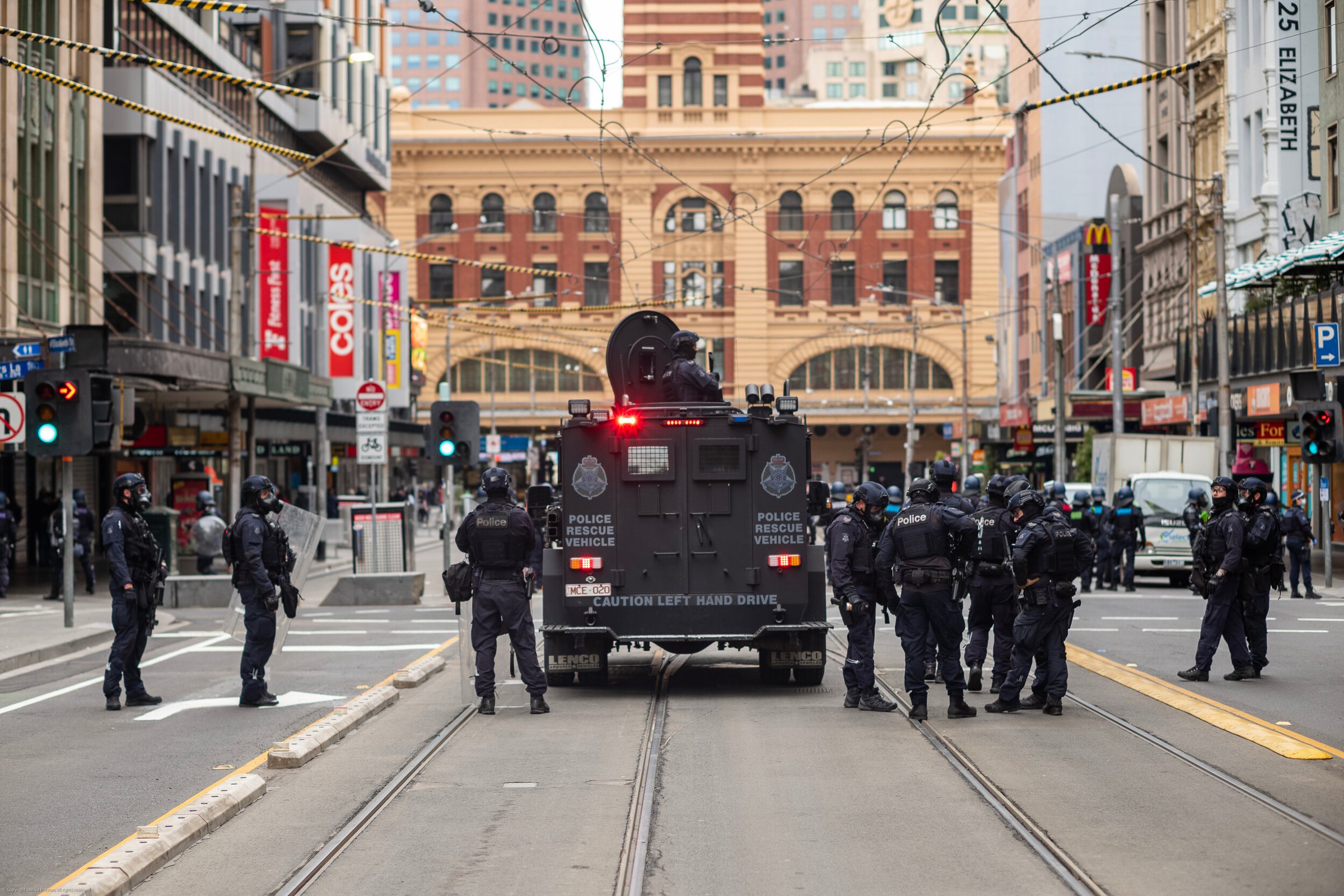
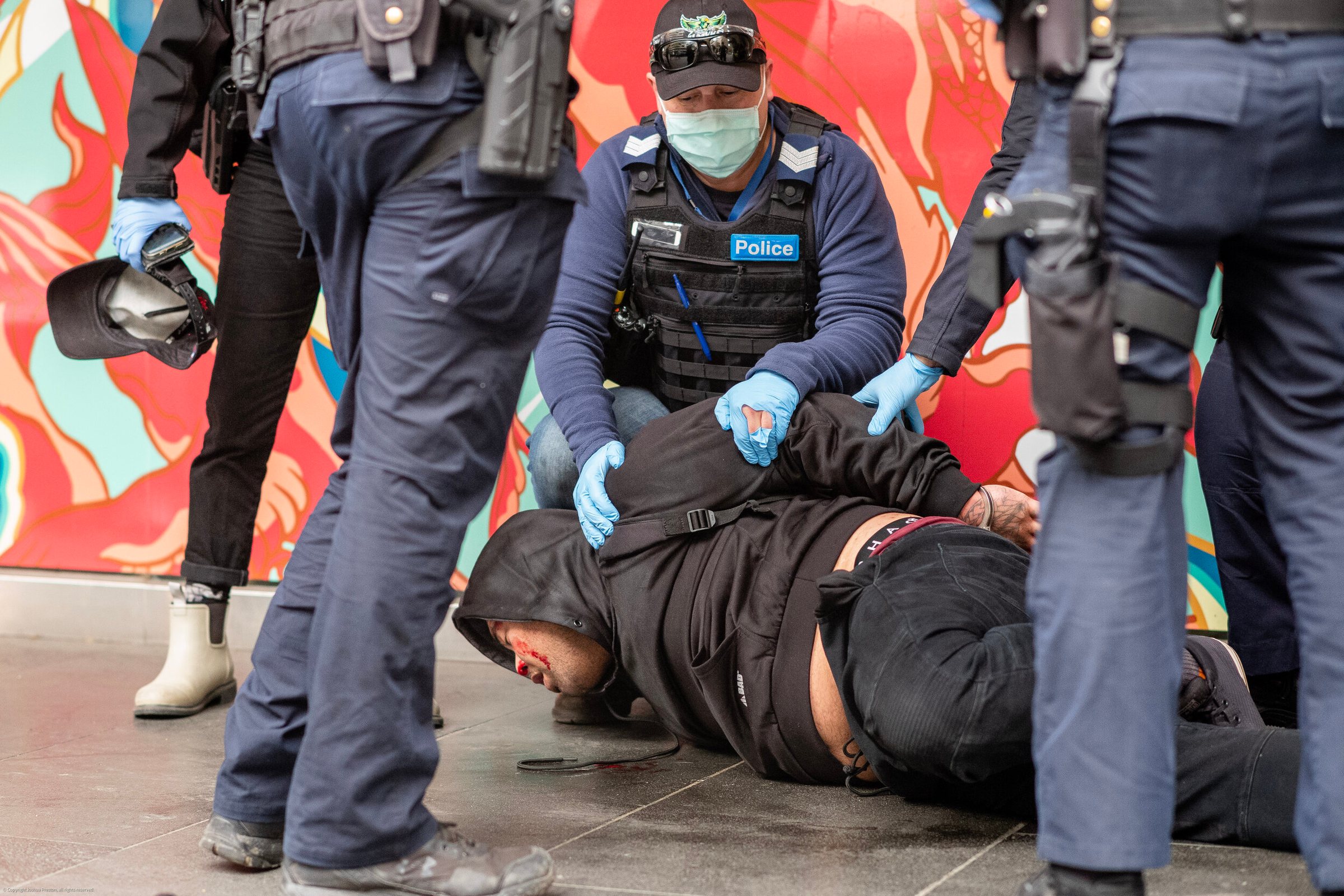
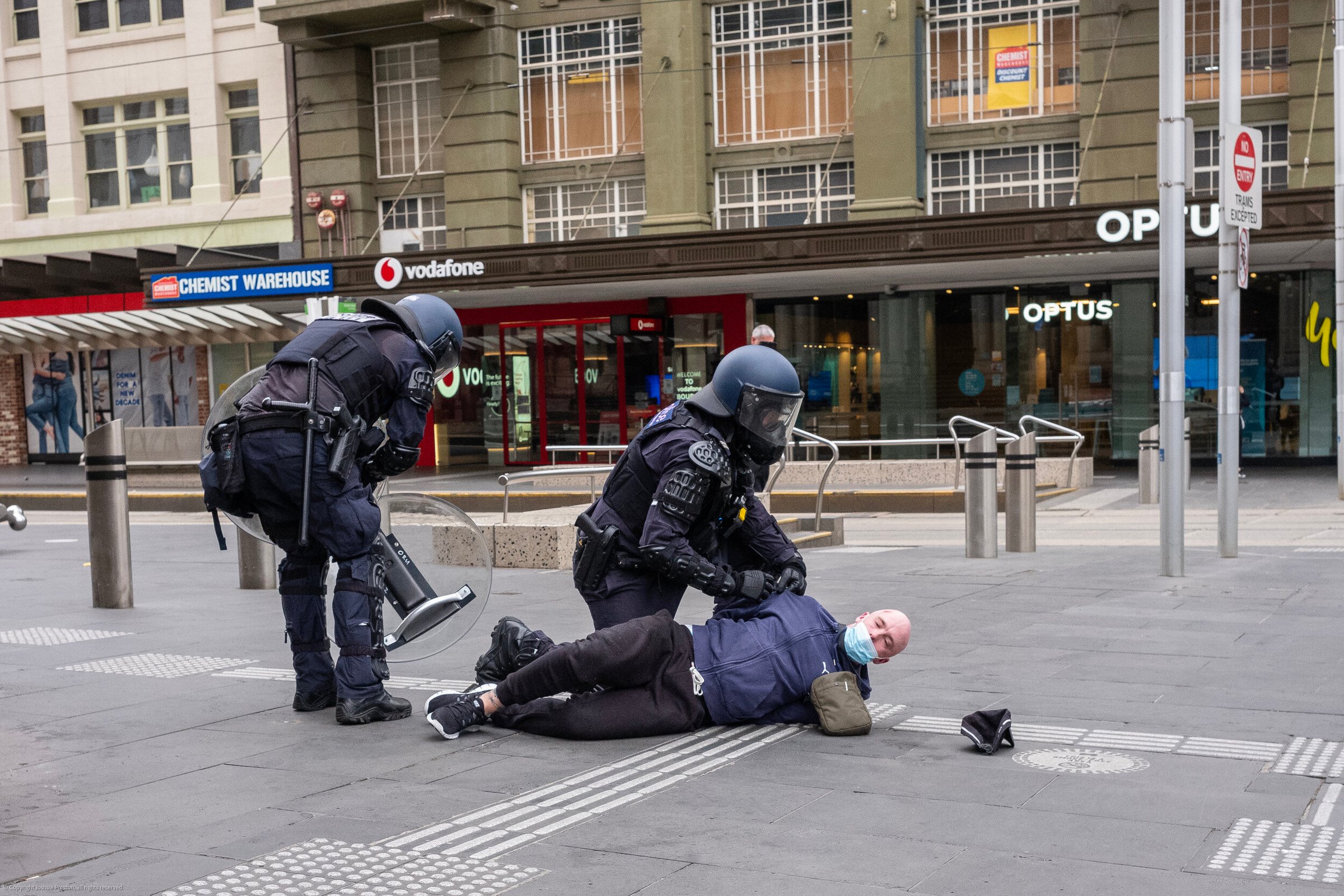
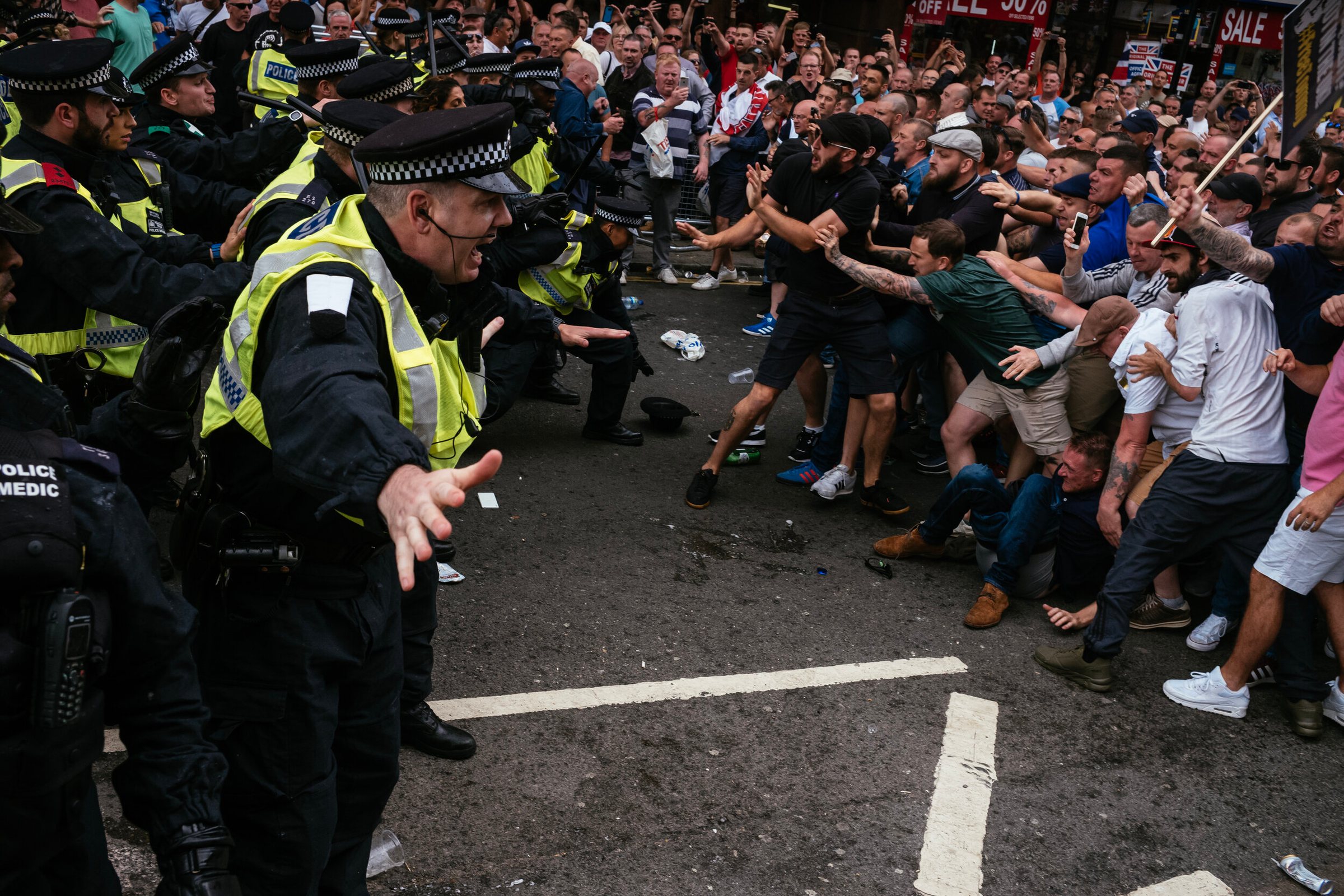
There is a sound a march makes before it turns. The chanting thins, the people at the back go quiet because they can feel something the people at the front can see, and for a few seconds the only noise is boots. Every frame on this page comes from somewhere near that moment, on one side of the line or the other.
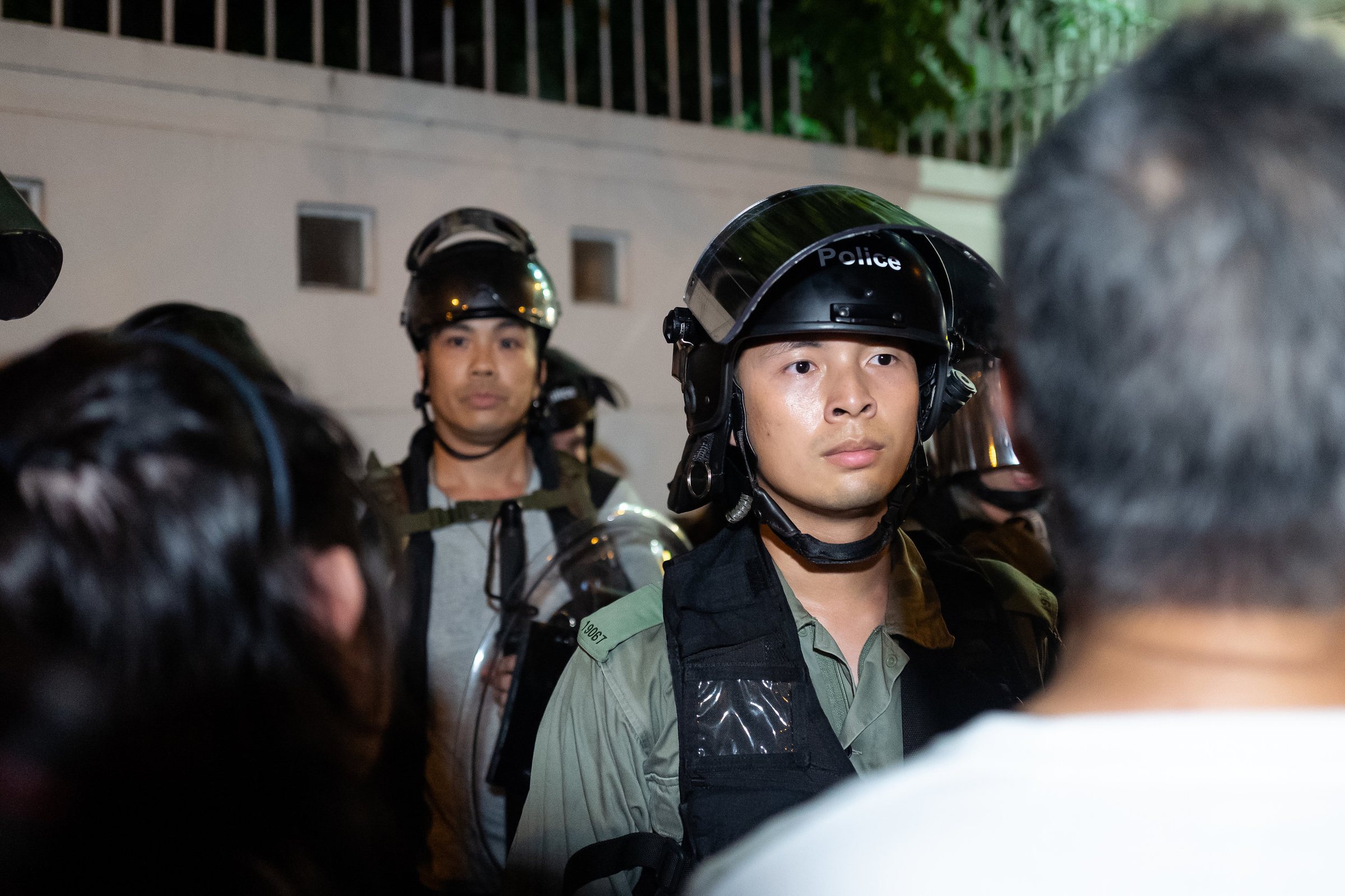
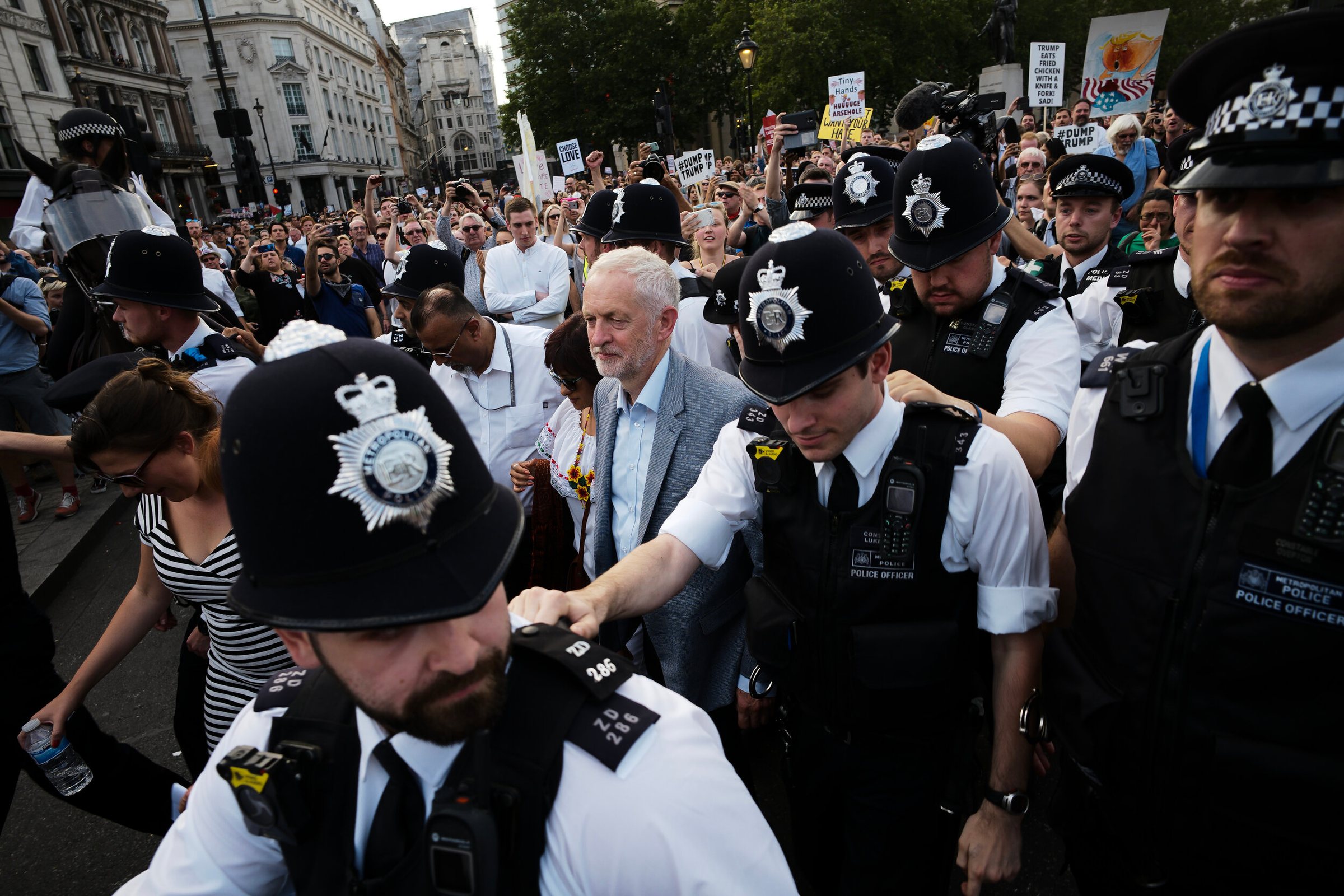
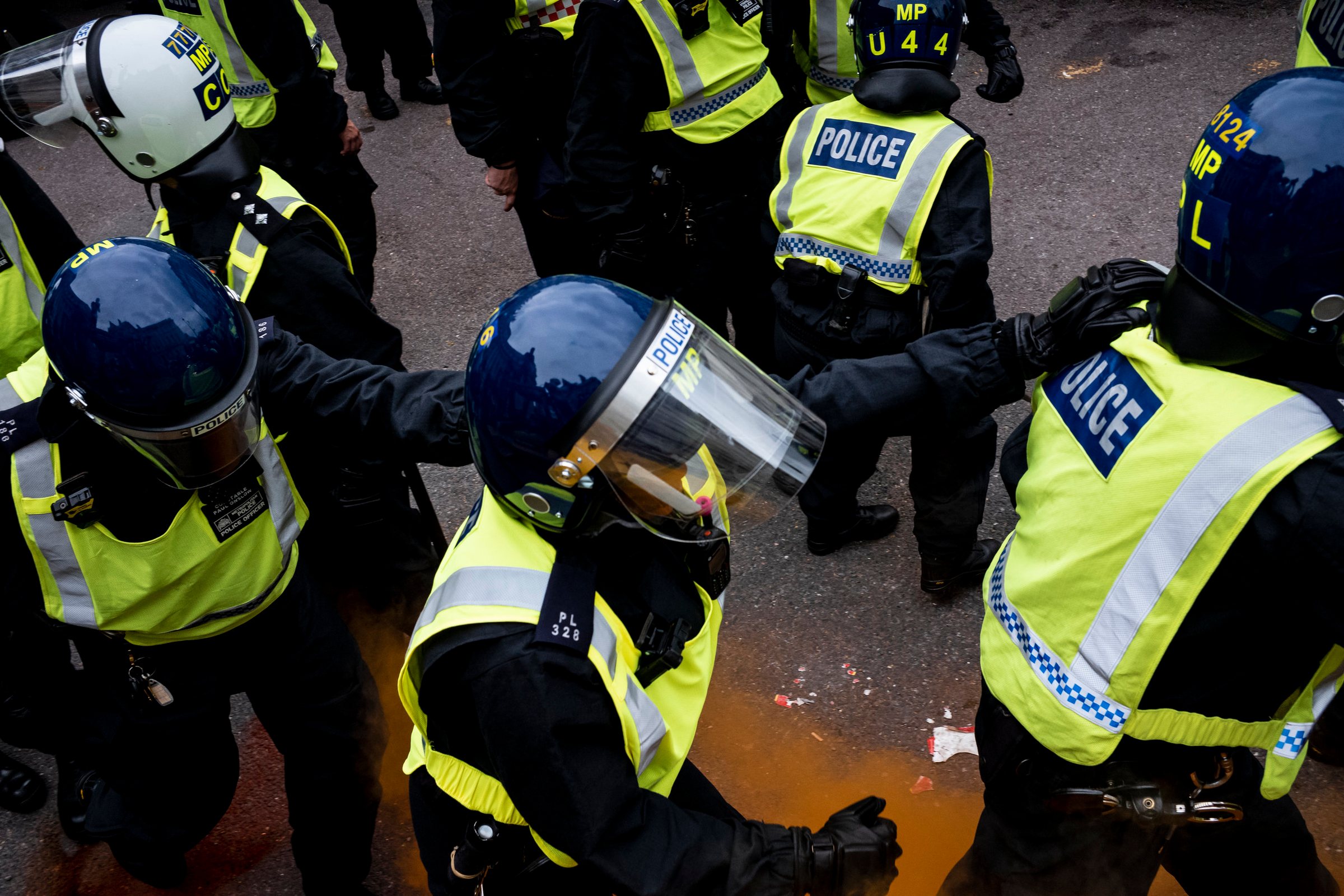
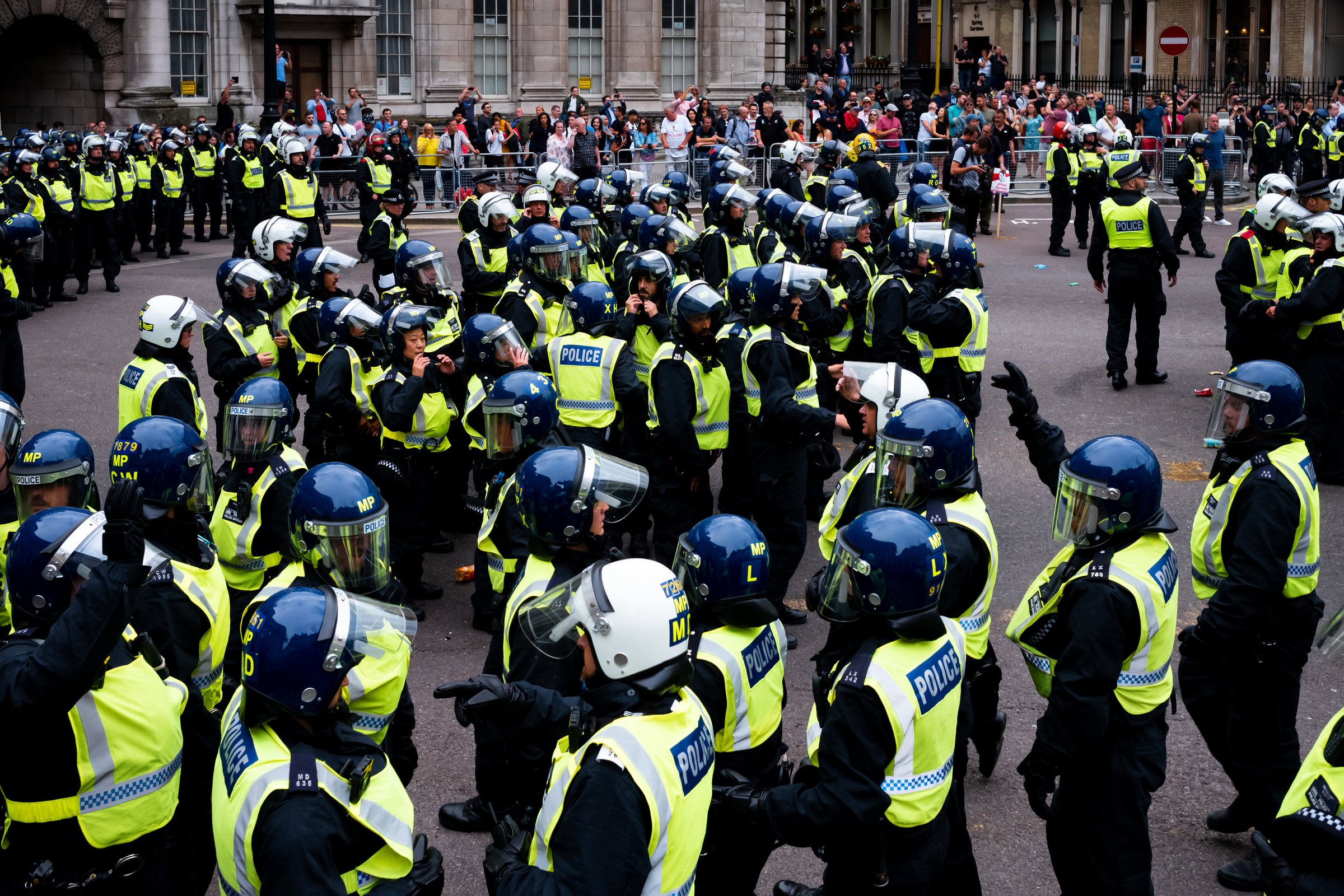
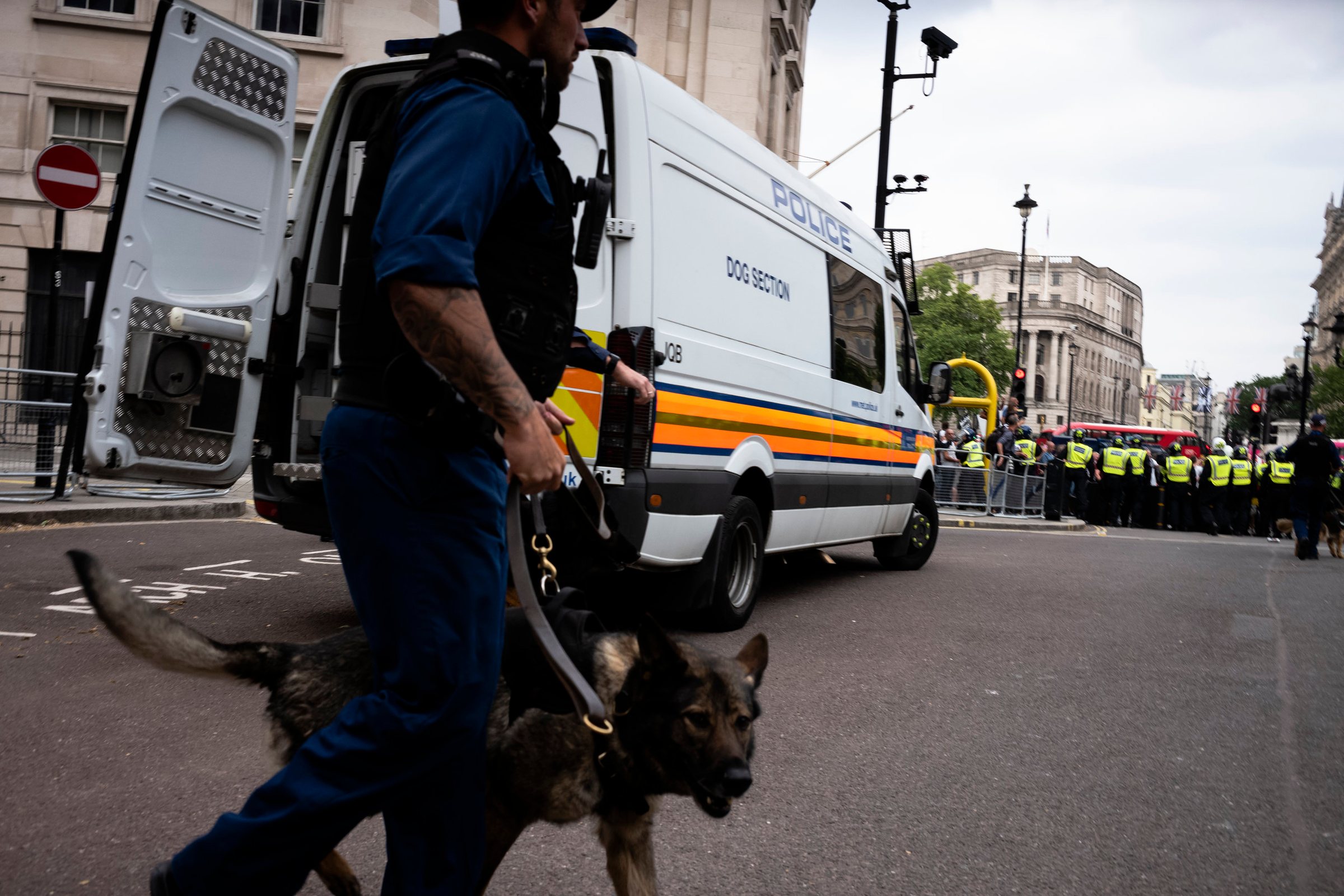
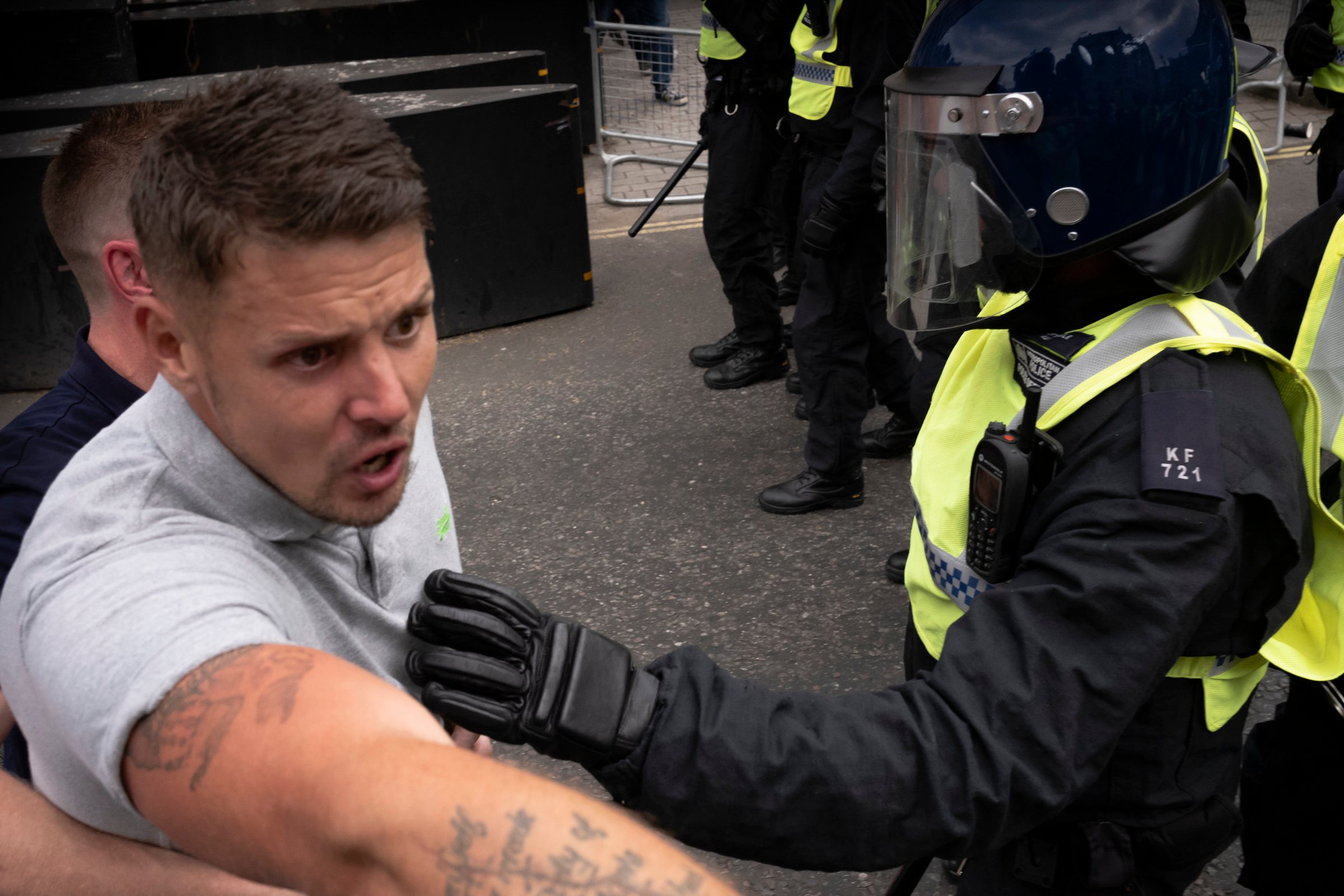
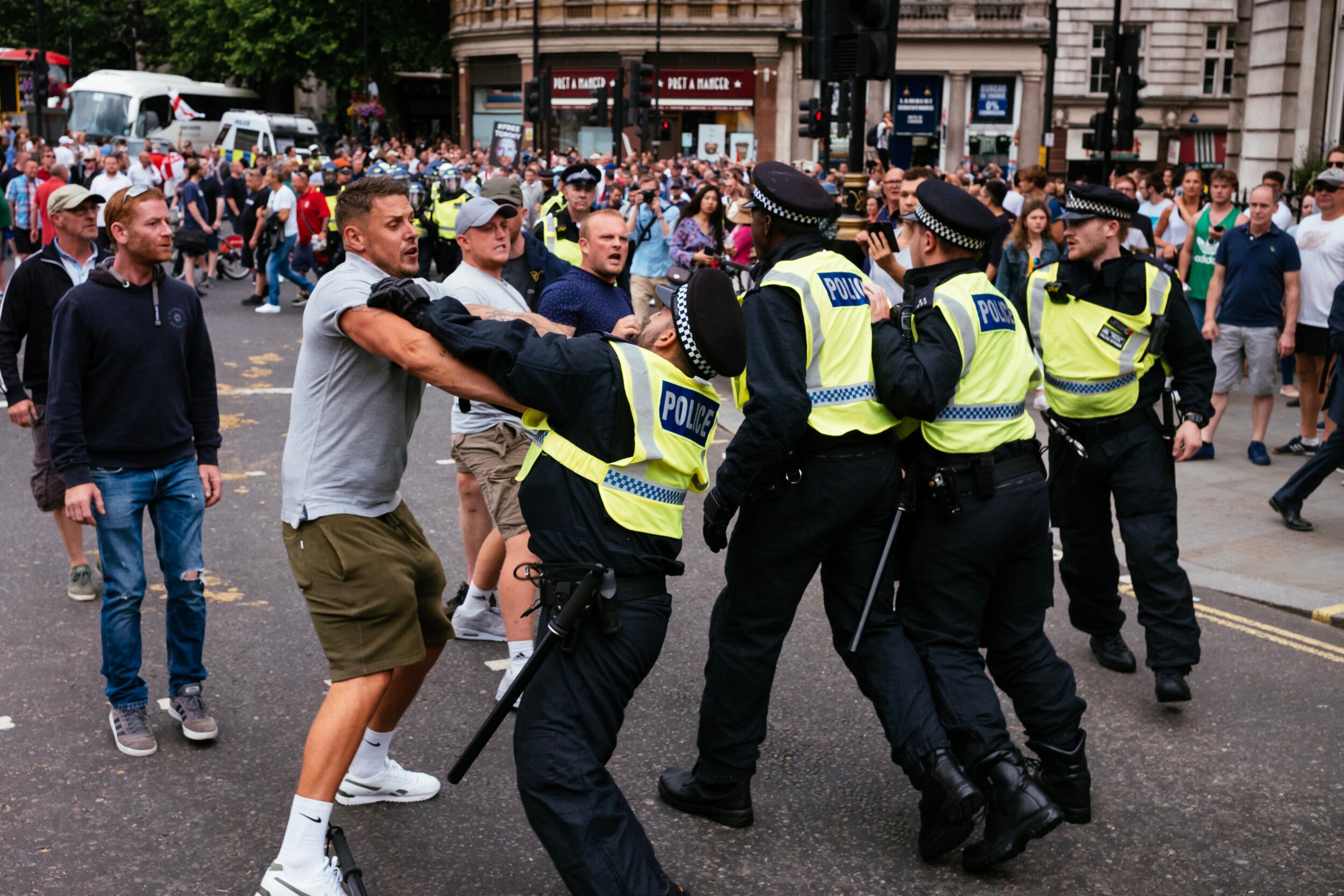
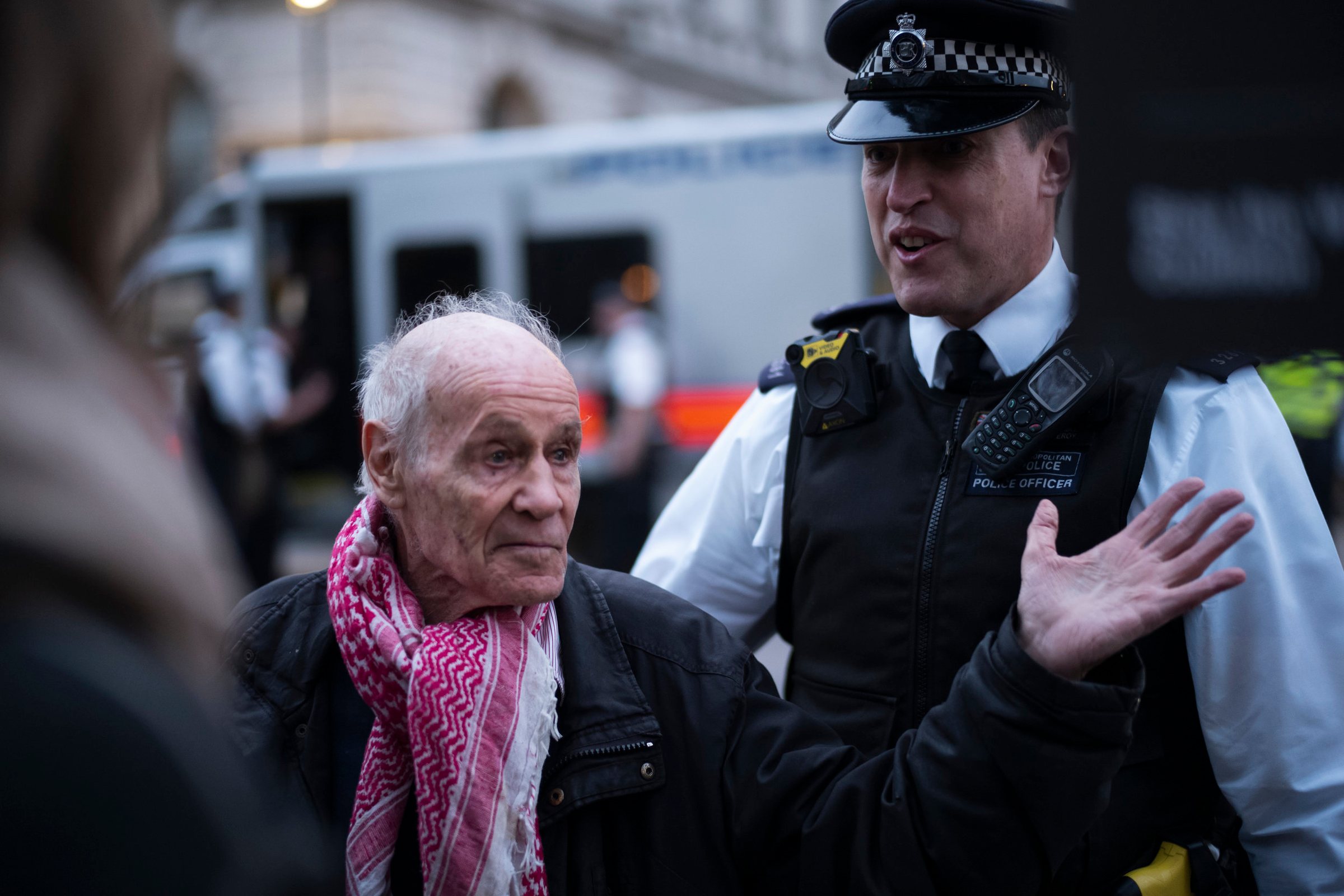
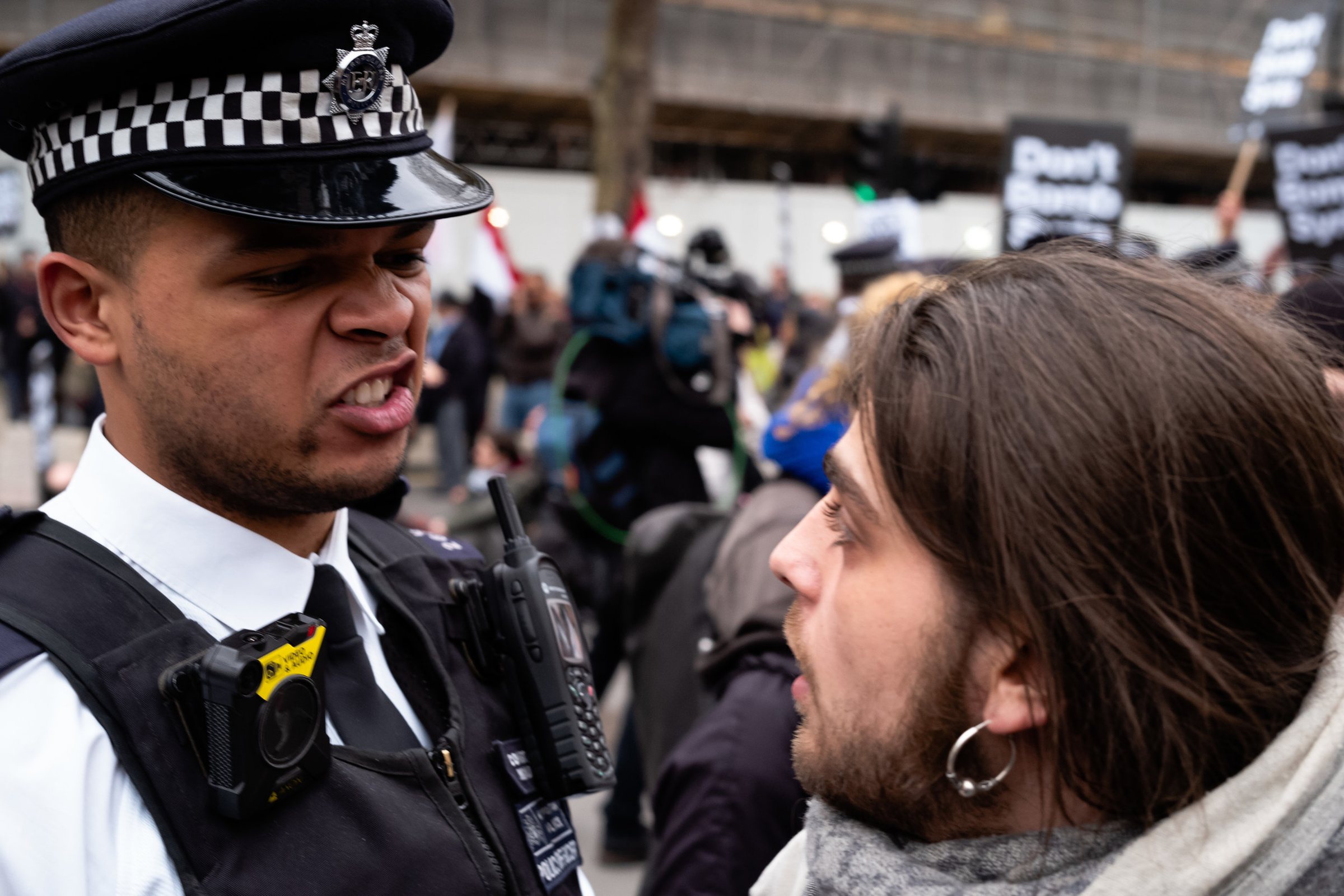
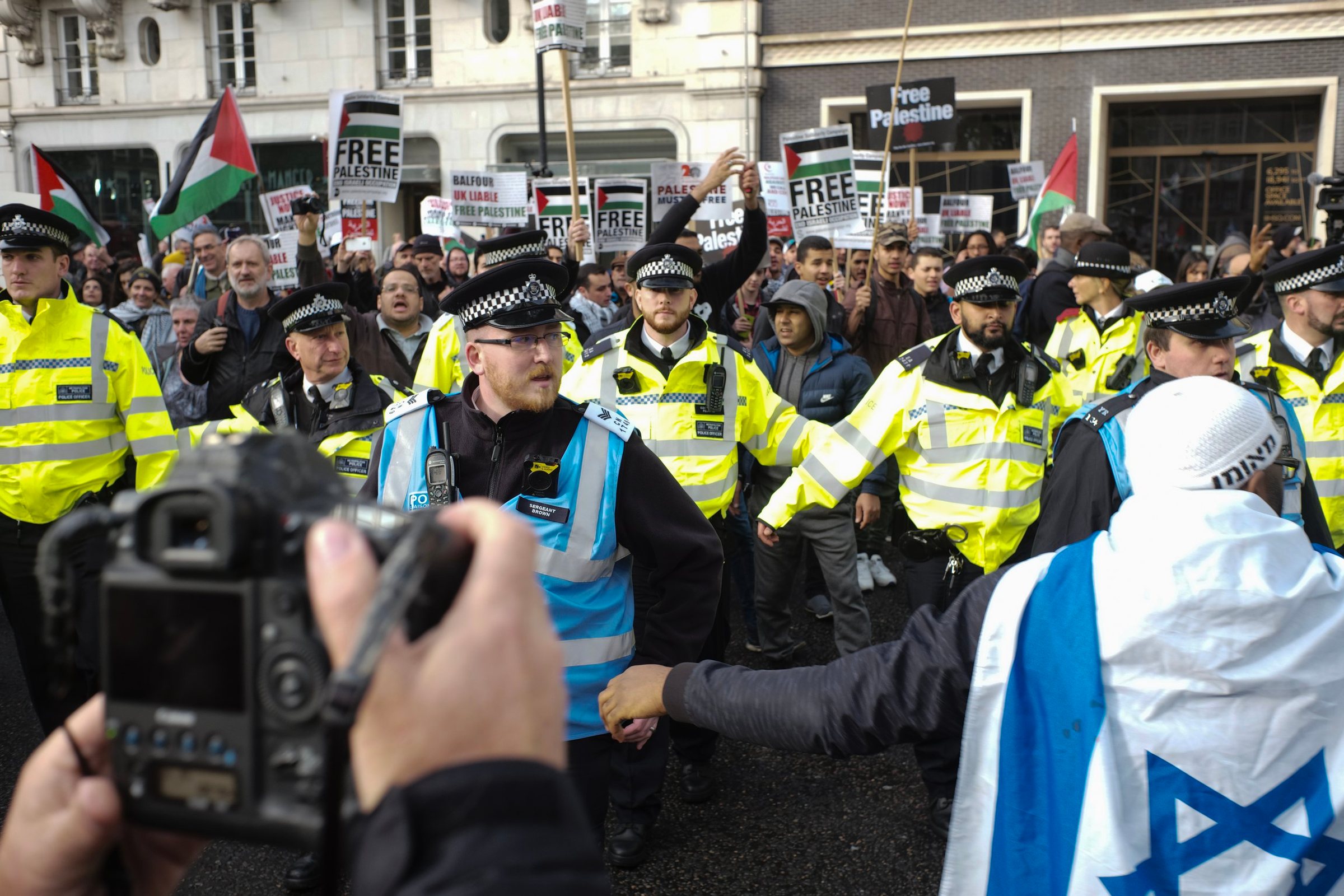
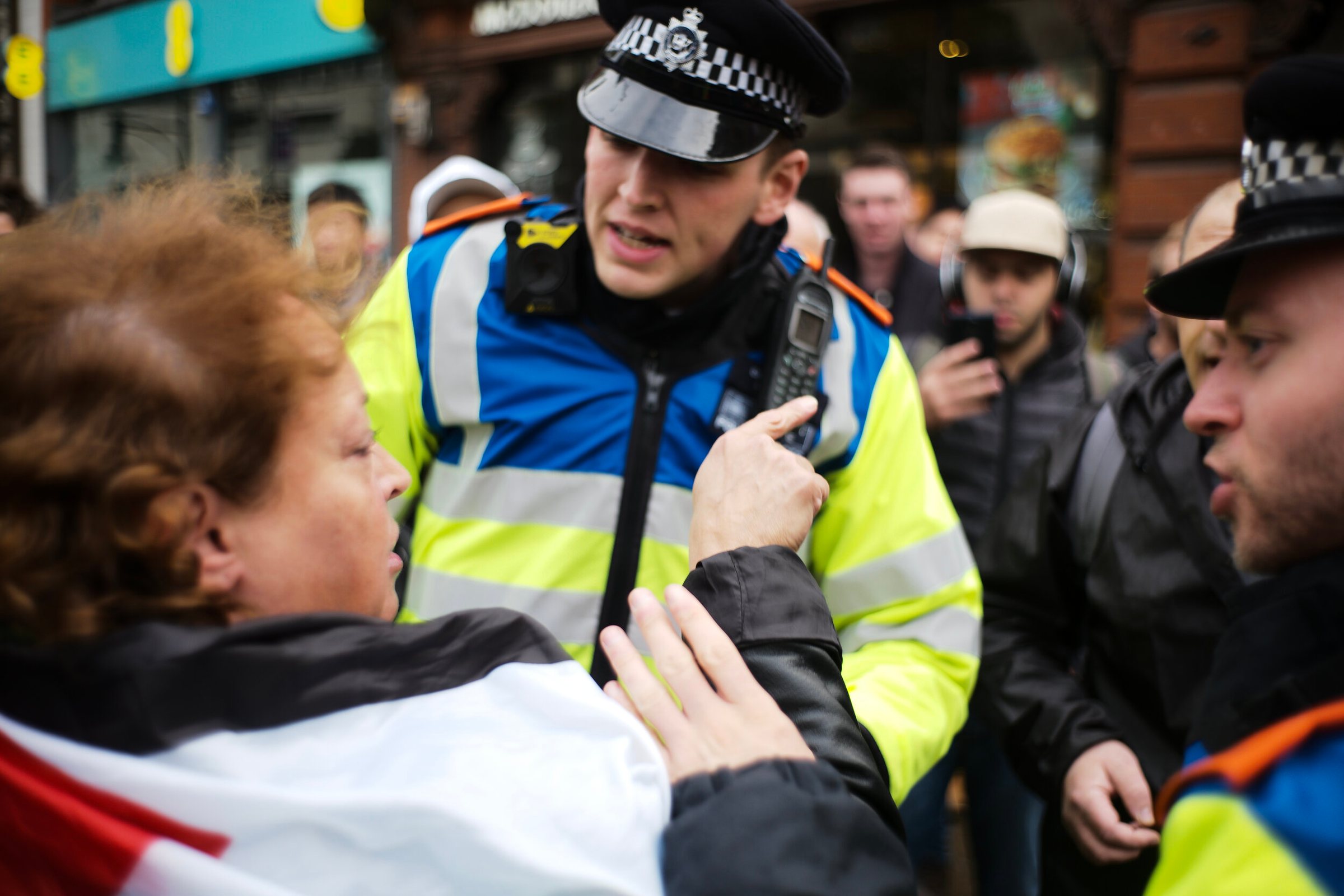
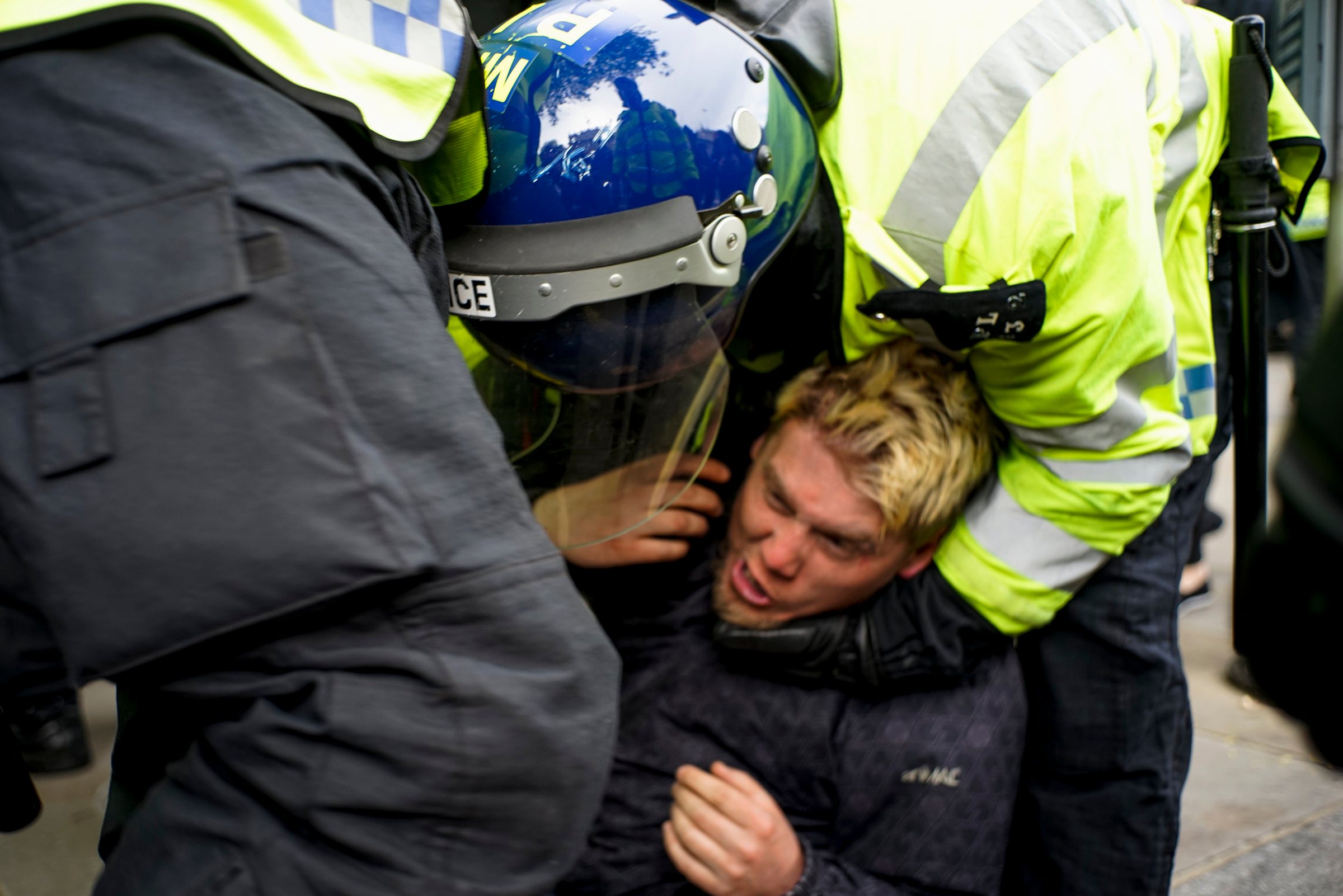
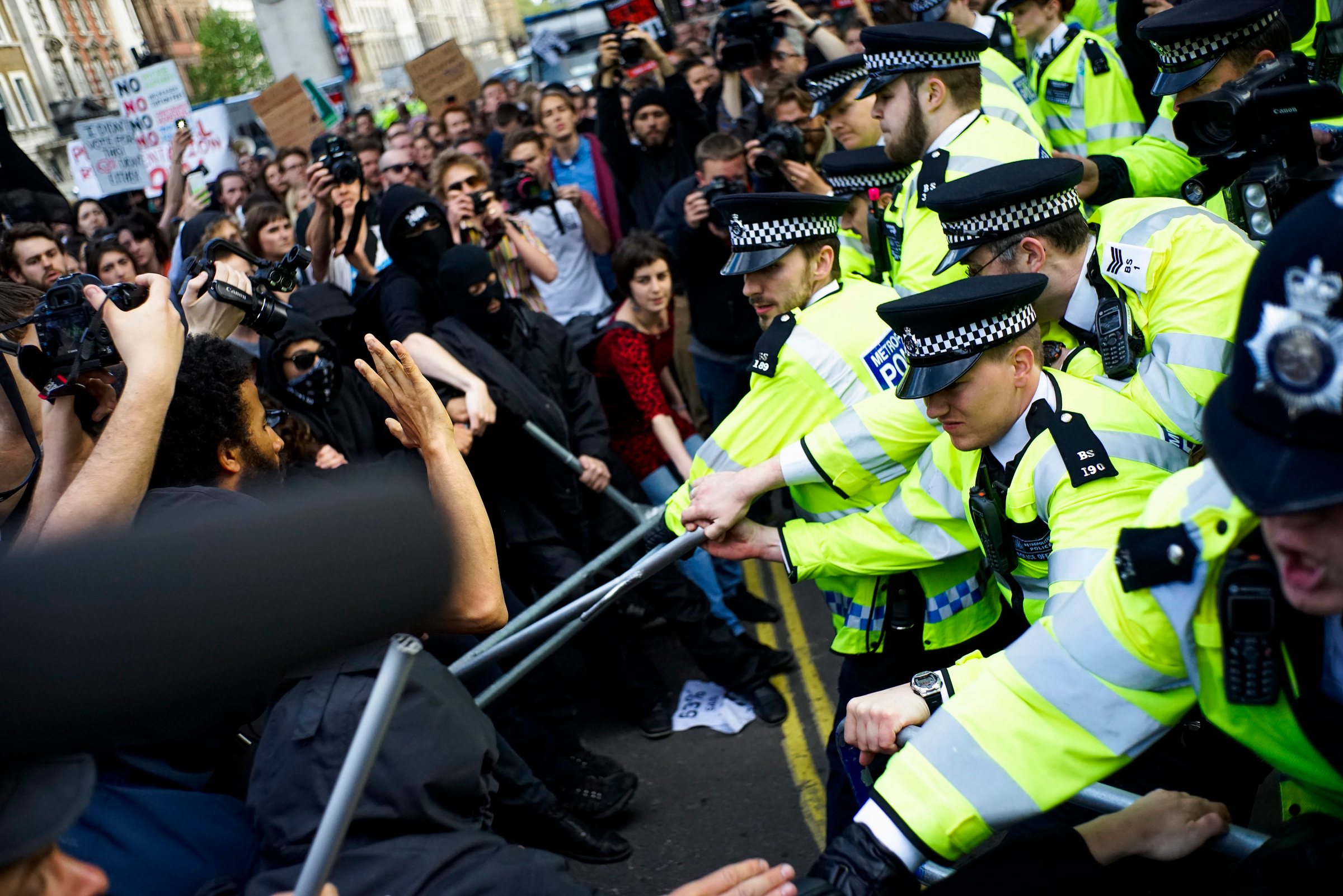
I started on this in London, where the policing of protest is a craft of its own: the slow walk of a kettle closing, the horses brought up at the exact moment a crowd thinks it has won, the officer who is bored for six hours and then, for forty seconds, is not. You learn to read it. A line at rest has its weight on both feet. A line about to move has already leaned. The photographs are mostly about that lean, and about the faces on the other side of it, which are not always angry. Sometimes they are laughing. Often they are just very young.
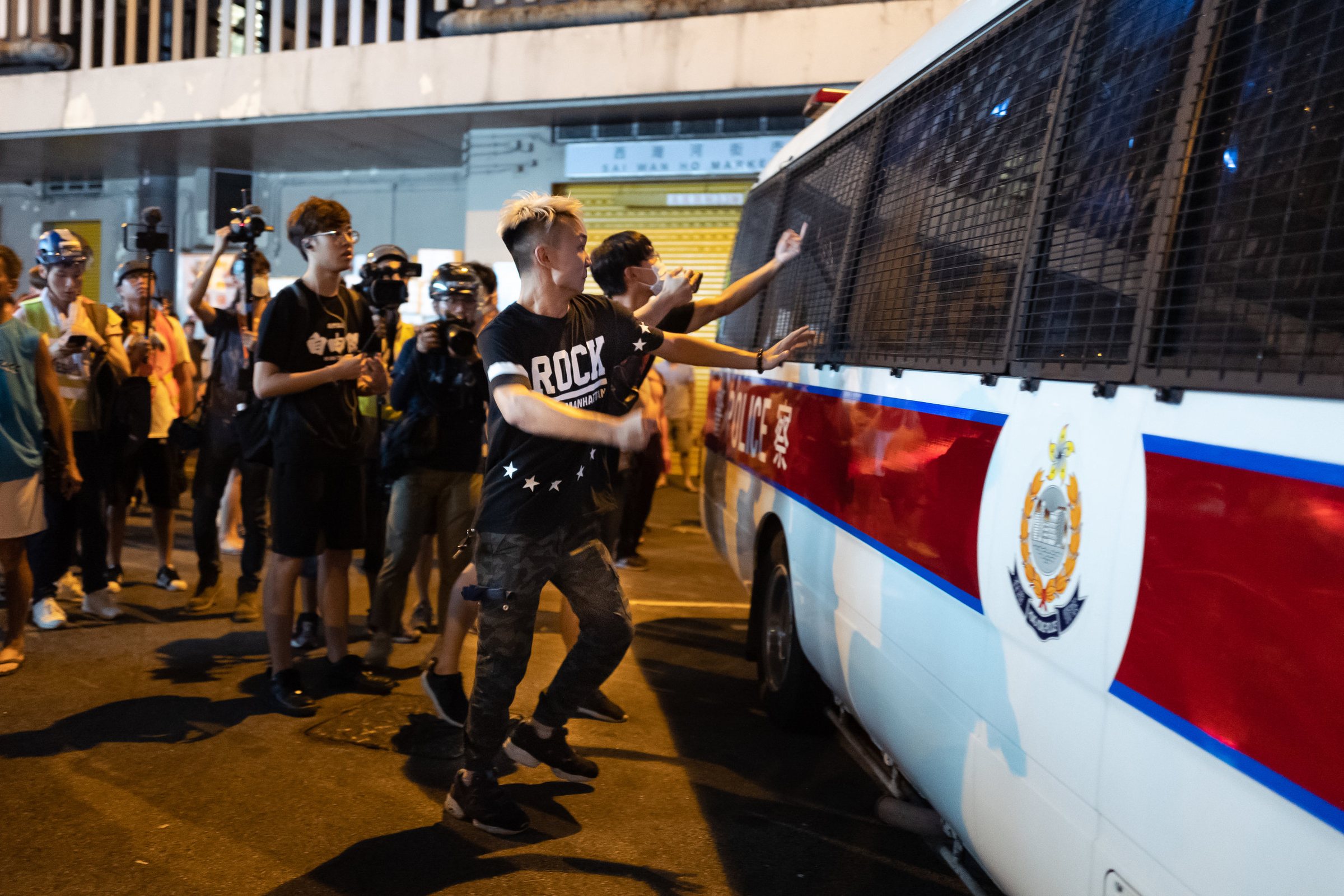
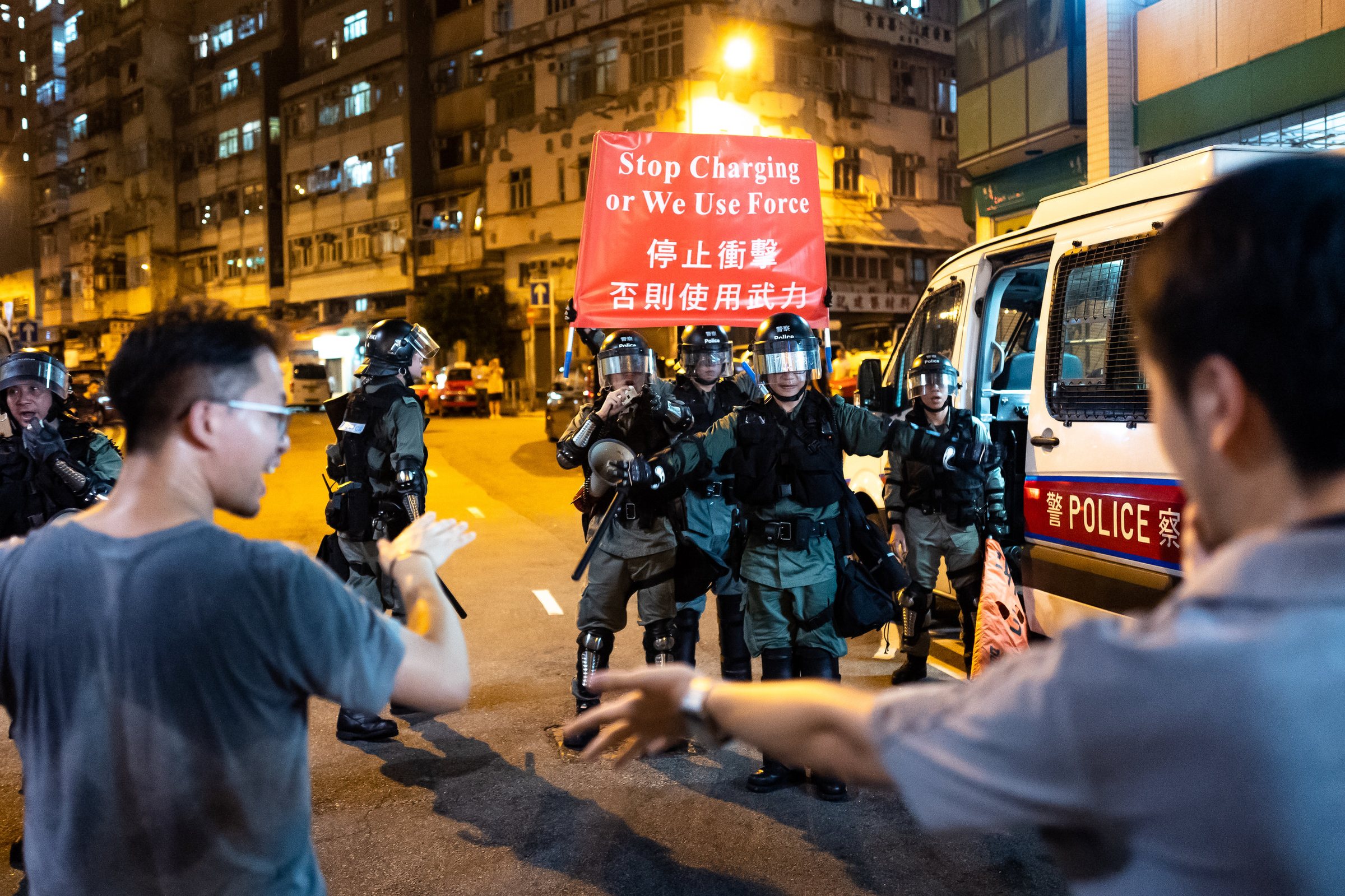
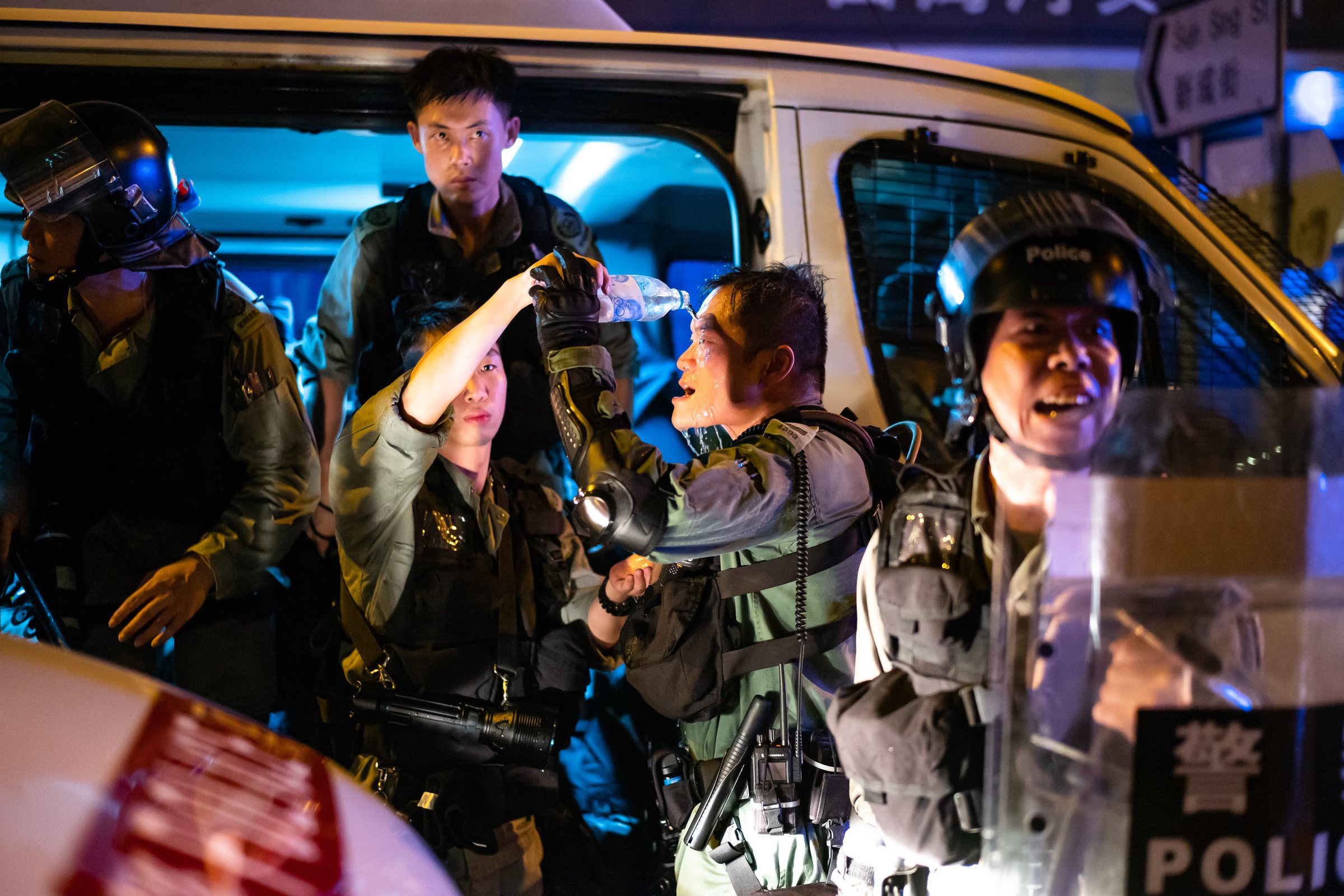
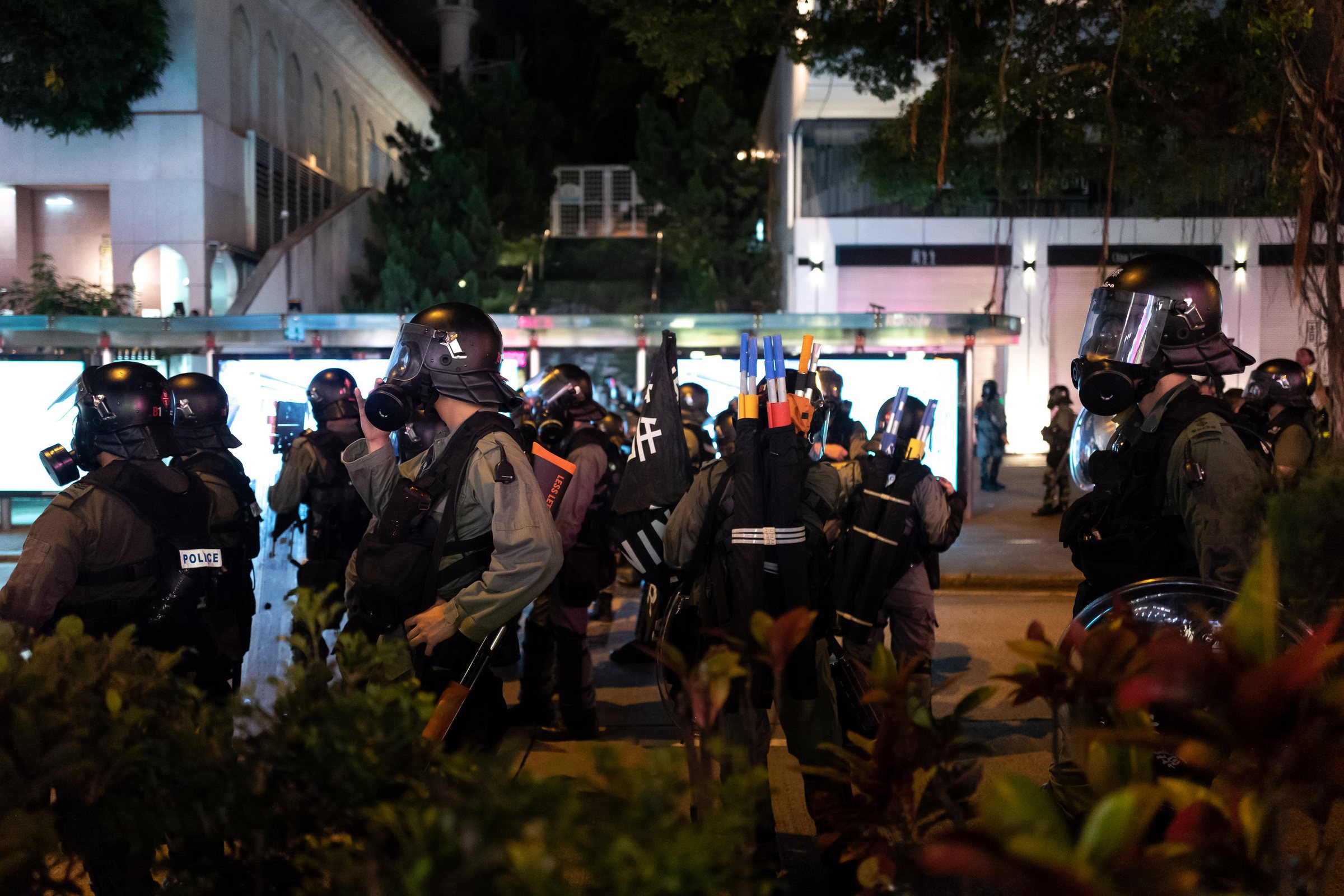
Hong Kong in 2019 was something else. I flew in at the height of it and spent days between the front lines and the tear gas, in a city where the protest moved like water and the police moved like a wall. I was shot with rubber rounds there and pepper sprayed more times than I kept count of. One night the gas took me completely. It does not matter how many canisters you have walked through before: this one found me and I could not see, could not breathe properly, could not do anything but sit down on the road where I stood and close my eyes and wait for it to pass, with the street still going on around me and the camera useless in my lap. Nobody tells you about that part, that the job sometimes means being blind on the ground for ten minutes in the middle of it. What I remember most, once I could stand again, is the speed: a street that was a market one minute and a battlefield the next, umbrellas going up, the hiss of a canister landing, and the photographers running towards it because that is the job. Some of the pictures here were made with my eyes streaming and the camera held out at arm's length, trusting the frame. A few of those are the best of them.
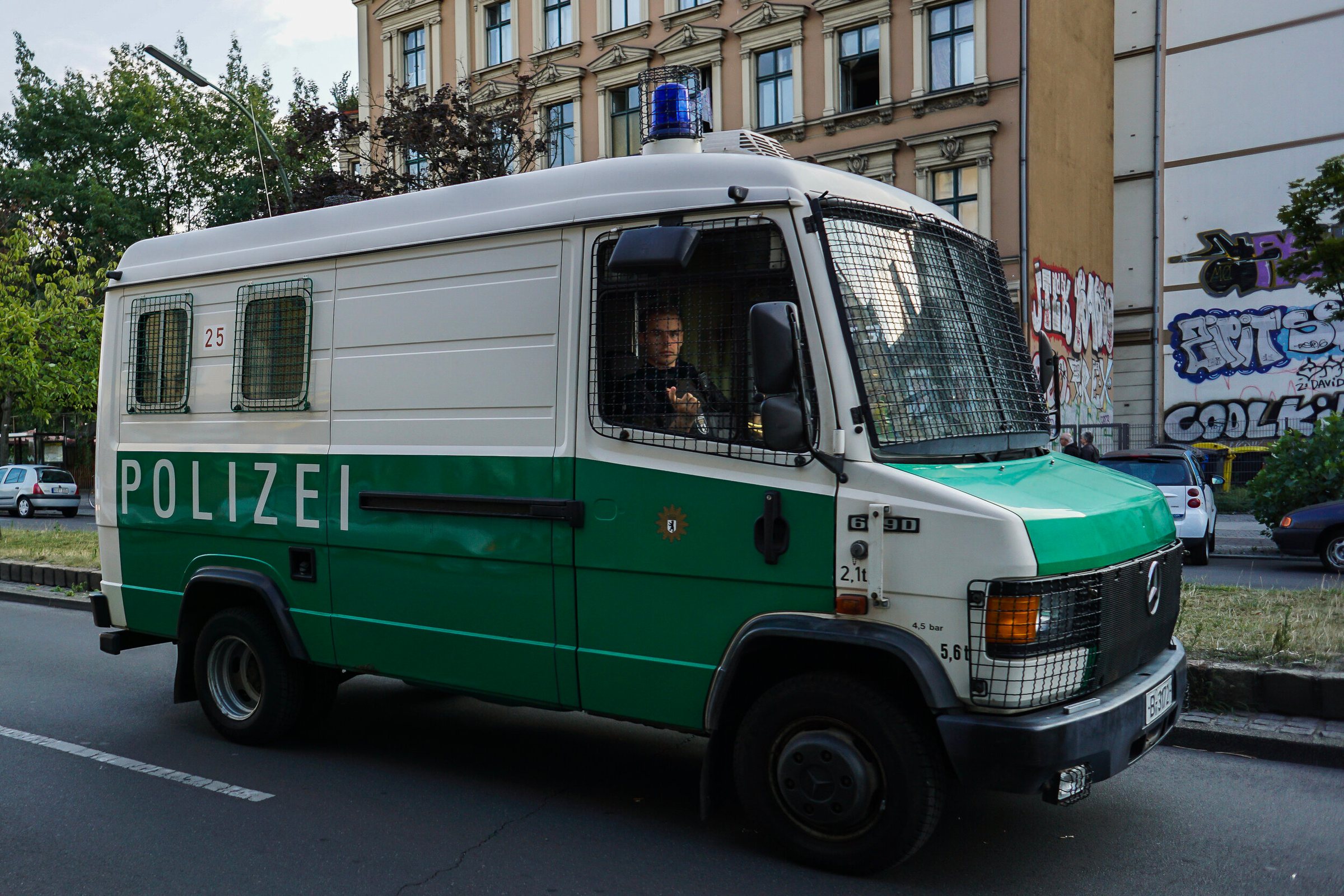
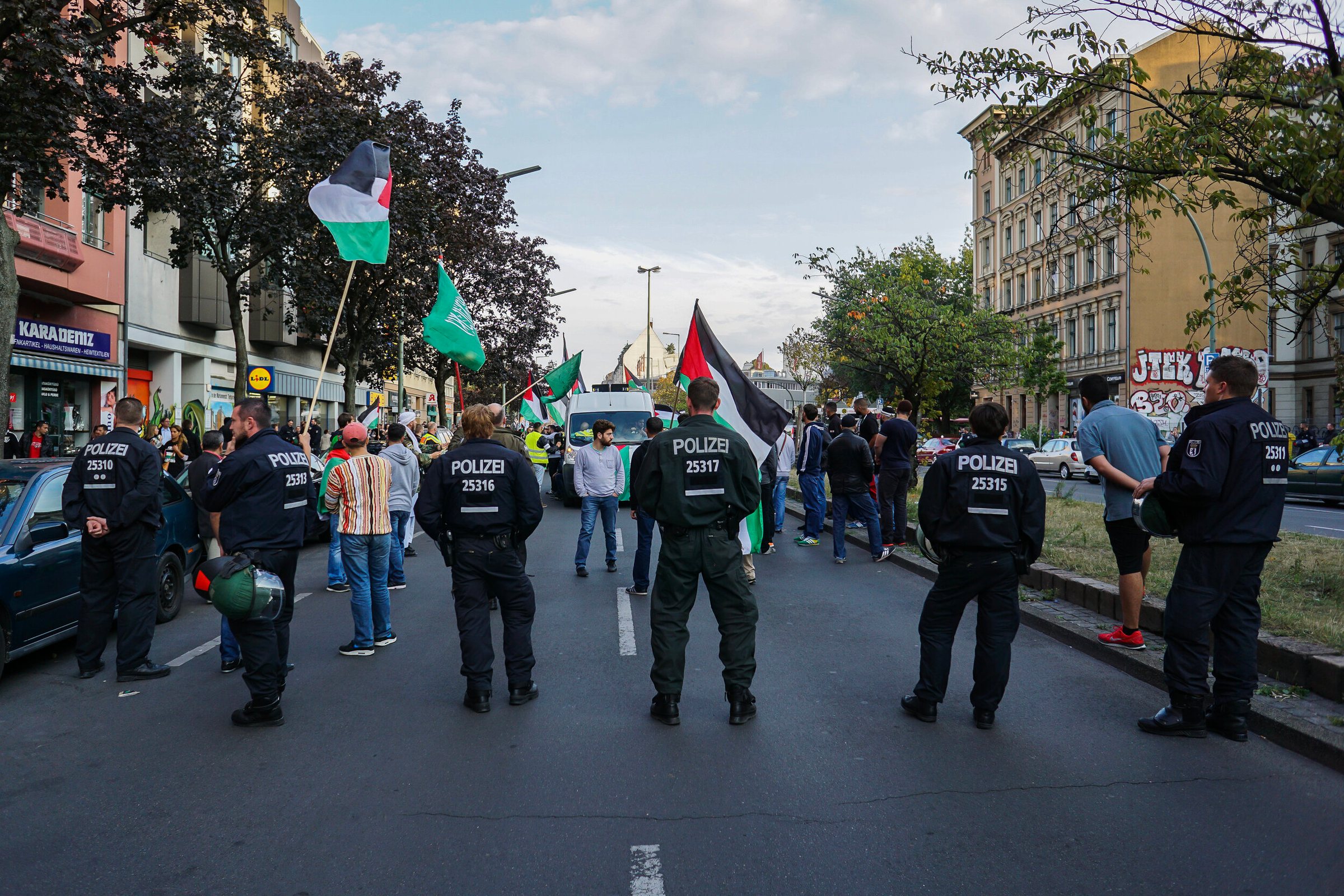
Melbourne and Berlin are quieter chapters but the grammar is the same: the van doors, the dog, the arrest that happens in a doorway while everyone else is looking the wrong way. I keep photographing the police because they are the point where the state becomes a person with a face, and because what happens in the ten seconds after a march stops being a march is the clearest thing I know about how power actually behaves.
These frames live in their own stories elsewhere on the site. This page gathers them, newest first.